

The best dry fruits for winter are almonds, walnuts, figs, dates, cashews and pistachios. They are warming, rich in healthy fats and minerals, and they give your body the steady energy and immunity support it needs when the temperature drops. A small daily handful, eaten the right way, does more than any winter supplement.
That is the short answer. Below is the full guide: why winter is the season for dry fruits, which ones to pick and why, how much to eat a day, and the warming ways to enjoy them.
Why your body wants dry fruits in winter
In the cold months your body burns more energy just to stay warm, and appetite for heavier, nourishing food goes up naturally. Dry fruits fit this perfectly. They are calorie dense, so a small amount gives lasting warmth and energy. They are also loaded with the exact things winter tends to drain, healthy fats for the skin, iron for energy, and zinc and vitamin E for immunity. This is also why our grandmothers made winter laddoos out of nuts and gum.
The best dry fruits for winter
Almonds. The all rounder. Almonds bring vitamin E for skin that dries out in winter, plus protein and healthy fat for steady energy. Soaked overnight, they are gentle and easy to absorb first thing in the morning.
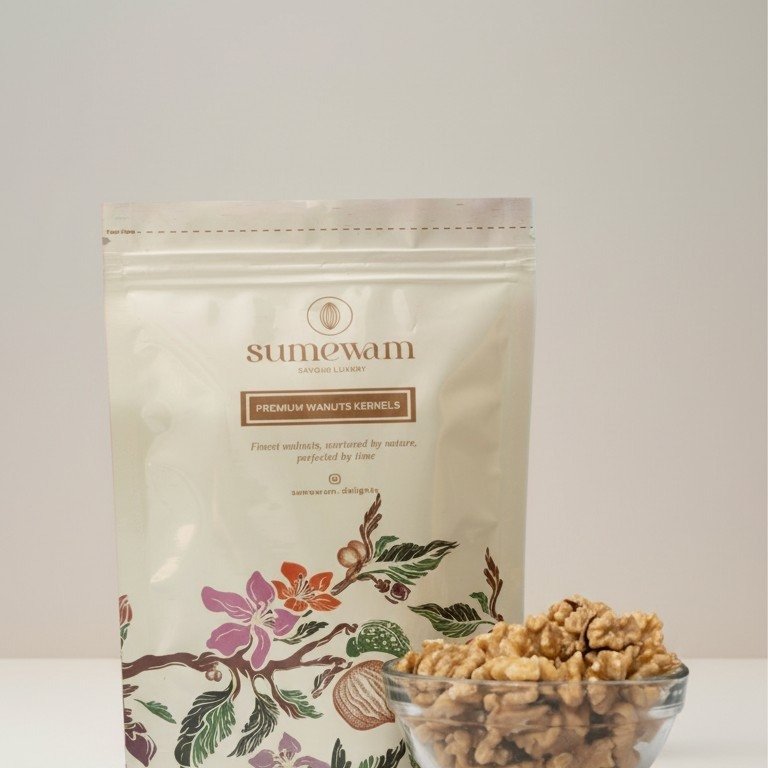
Walnuts. The classic winter nut. Walnuts are rich in omega 3 fats that support the brain, heart and joints, which stiffen up in the cold. A few kernels a day is enough.
Figs, or anjeer. Naturally warming and deeply nourishing. Figs are high in fibre, calcium and iron, and their natural sweetness makes them a clean alternative to winter desserts. Soak two overnight and eat them in the morning.
Cashews. Buttery and warming, cashews give you magnesium, zinc and healthy fat. They are the nut that makes winter snacking feel indulgent while still doing you good.
Pistachios. Pistachios are lower in calories than most nuts and high in protein and antioxidants, which is useful when winter snacking tends to run long.
Raisins. Small but mighty for iron and quick, clean energy. Soaked raisins or black raisins in the morning are an easy winter habit. We cover this in detail in our guide to soaked raisins benefits.
Apricots. Dried apricots bring vitamin A and iron, and their natural sweetness curbs the winter sugar craving without a spike.
How much to eat each day
More is not warmer. Dry fruits are calorie dense, so stick to sensible portions.
| Dry fruit | Daily amount | Best in winter for |
|---|---|---|
| Almonds | 6 to 8, soaked | Skin, energy, protein |
| Walnuts | 2 to 4 halves | Brain, heart, joints |
| Figs (anjeer) | 2 to 3, soaked | Fibre, calcium, iron |
| Cashews | 4 to 6 | Zinc, magnesium, warmth |
| Pistachios | A small handful | Protein, antioxidants |
| Raisins | 8 to 10, soaked | Iron, quick energy |
| Apricots | 2 to 3 | Vitamin A, sweetness |
The warming way to eat them
Winter is when the traditional methods really pay off.
- Soak them overnight. Almonds, raisins, figs and apricots are gentler and easier to absorb when soaked. Use warm water in peak winter.
- With warm milk. A glass of warm milk with soaked almonds or a few walnuts is a classic winter nightcap.
- Lightly roasted. A dry roast brings out the warmth and crunch of cashews and pistachios without any frying.
- In a winter laddoo. Chopped nuts with a little jaggery and ghee is the original Indian winter energy bar.
Timing helps too. Nuts with healthy fats like almonds and walnuts suit the morning, while lighter options fit the evening. Our full guide on the best time to eat dry fruits breaks this down.
A note on freshness
Even the best dry fruits for winter only deliver if they are actually fresh. Old, warehouse stored nuts lose their oils, their crunch and much of their goodness. Sumewam dry fruits are packed in small batches and dated on the day they are packed, so what reaches you in winter is genuinely fresh, not last season's stock.
FAQs
Which dry fruit is best for winter?
There is no single best one. Almonds and walnuts are the everyday base, figs and dates add warmth and sweetness, and raisins give quick iron and energy. A small mix covers everything winter demands.
How many dry fruits should I eat in winter?
A total of one small handful across the day is right for most people. Winter allows a little more than summer, but dry fruits are calorie dense, so portion still matters.
Are dry fruits warming for the body?
Yes. Nuts like almonds, walnuts and cashews, along with figs and dates, are considered warming and are calorie dense, which is why they suit the cold season.
Should dry fruits be soaked in winter?
Soaking almonds, raisins, figs and apricots makes them easier to digest and absorb. In peak winter, soak them in warm water. Walnuts and pistachios can be eaten as they are.
Can I eat dry fruits at night in winter?
Yes. A few walnuts or soaked almonds with warm milk at night is a common winter habit. Keep the portion small so it does not feel heavy.
Are dry fruits good for winter immunity?
They help. The zinc, vitamin E and healthy fats in nuts support immunity and skin, which both take a hit in the cold. They work best alongside a balanced diet, not on their own.
Build your winter mix from fresh, small batch dry fruits. Start with almonds, walnuts and figs, or browse the full range of premium dry fruits.
Shop what you just read about
Packed and dated the day it ships, never old stock. Delivered across India.
 Sumewam Walnuts- Nature’s Brain Food Price range: ₹529.00 through ₹998.00 Incl. of taxesView
 Sumewam Figs– Add a touch of luxury Original price was: ₹599.00.₹481.00Current price is: ₹481.00. Incl. of taxesView
 Sumewam Almonds – The Crunch of Pure Goodness Price range: ₹339.00 through ₹729.00 Incl. of taxesView